• Makeup Brush Handle Materials: A Complete Guide for Beauty Brands
    Makeup Brush Handle Materials: A Complete Guide for Beauty Brands Oct 30, 2026
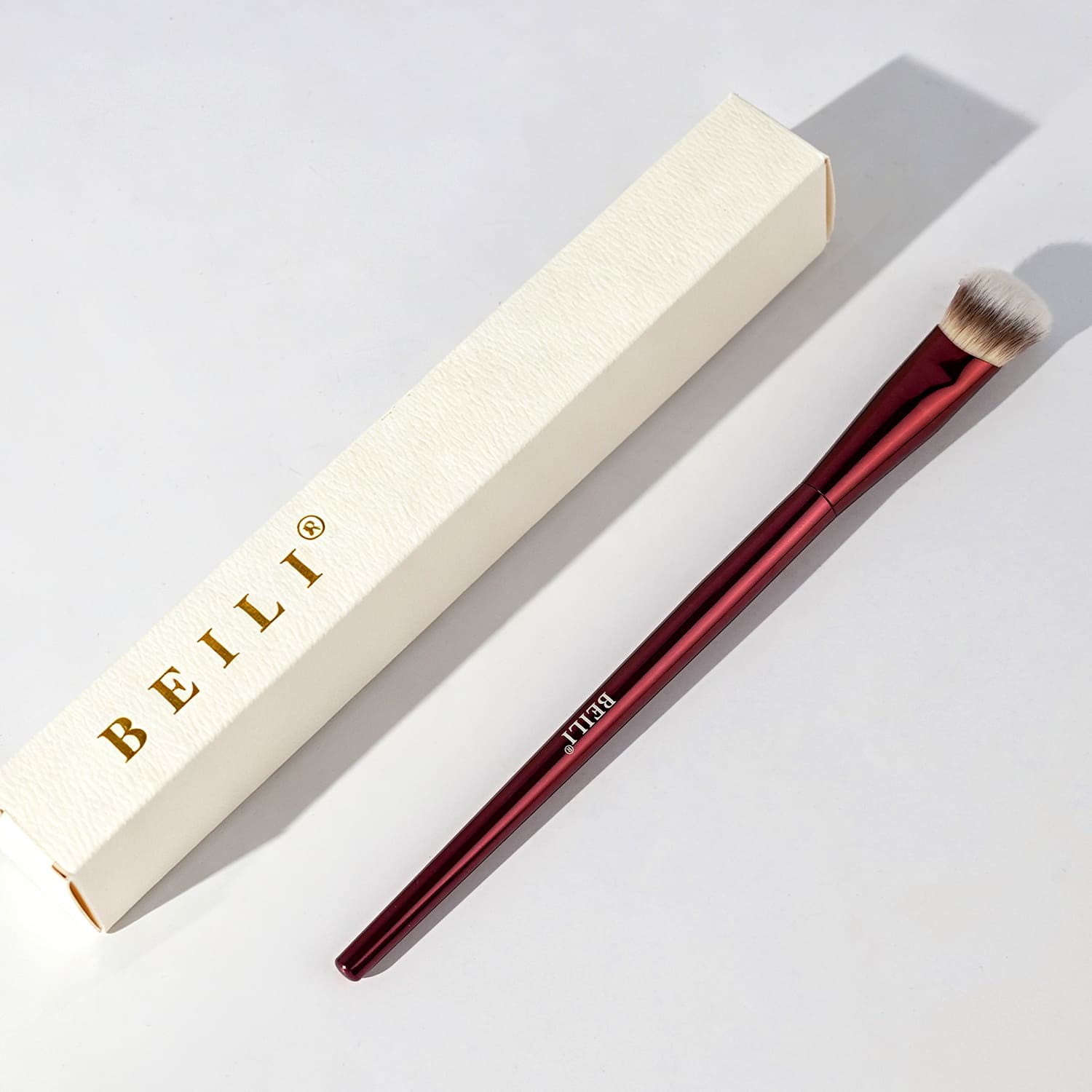
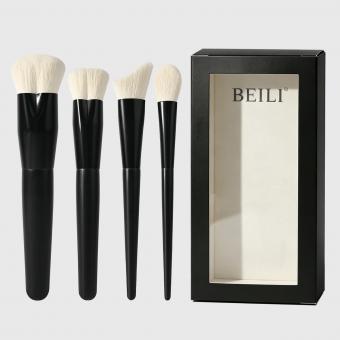
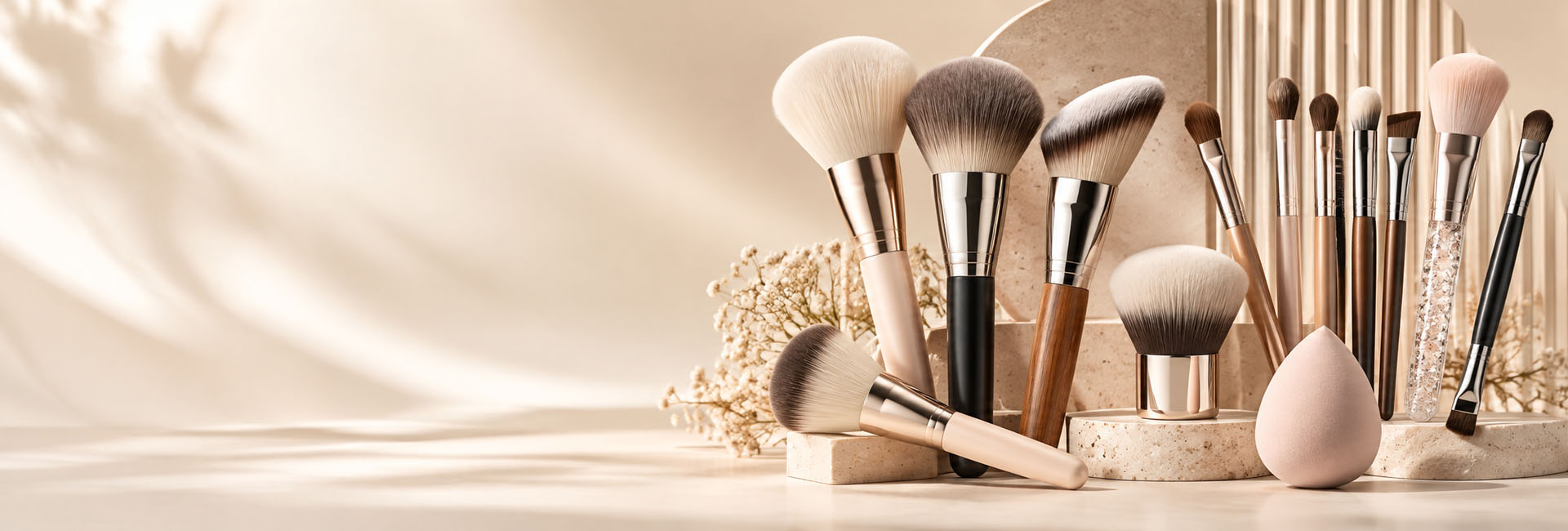
    When developing a private label makeup brush collection, choosing the right handle material is just as important as selecting the brush bristles and brush shapes. The handle influences the overall appearance, weight, grip, durability, and positioning of a makeup brush. A wooden handle may create a classic and natural look, while an aluminum handle can give a product a modern, professional appearance. Acrylic handles, on the other hand, offer opportunities for distinctive colors and decorative designs. For beauty brands, wholesalers, and cosmetic product developers, understanding different makeup brush handle materials can help create a collection that matches the brand's identity and target customers. In this guide, we compare five commonly used makeup brush handle materials and explain what to consider when customizing makeup brushes for your business. 1. Why Does Makeup Brush Handle Material Matter? A makeup brush handle is more than a structural component. It contributes to the product's design, usability, and overall brand presentation. Before selecting a material, consider several factors. Appearance and Brand Identity The handle is one of the most visible parts of a makeup brush. Its material, color, shape, and finish influence how the product looks to potential customers. Weight and Handling Different materials have different physical characteristics. Handle weight and dimensions can influence how a brush feels in the hand and how easily it can be controlled during makeup application. Durability and Daily Use The handle should be suitable for its intended use and able to withstand normal handling and cleaning conditions. Material selection, coating quality, assembly, and overall manufacturing standards all matter. Customization Possibilities Different materials offer different design possibilities. Depending on the manufacturing process, brands may customize handle colors, shapes, surface finishes, and logo placement. 2. Wooden Makeup Brush Handles Wood is a widely used material for makeup brush handles because of its familiar appearance and versatility. Wooden handles can work well for everyday makeup brushes, professional brush collections, and private label beauty products. Advantages of Wooden Handles Wood offers several customization possibilities, including different colors, shapes, lengths, and surface finishes. Common design options may include: Natural wood-style finishes Matte or glossy painted surfaces Solid-color handles Custom handle shapes Printed or stamped brand logos Wooden makeup brush handles can suit brands looking for a classic appearance or a more understated product design. What Should Brands Consider? The wood species, surface treatment, coating, and manufacturing quality can influence the final product. When evaluating samples, check the surface smoothness, coating consistency, handle dimensions, and connection between the handle and ferrule. For brands interested in natural or sustainable positioning, confirm the ...
    View More
  • Custom Paper Boxes Wholesale: A Complete Guide to Custom Packaging
    Custom Paper Boxes Wholesale: A Complete Guide to Custom Packaging Oct 12, 2026
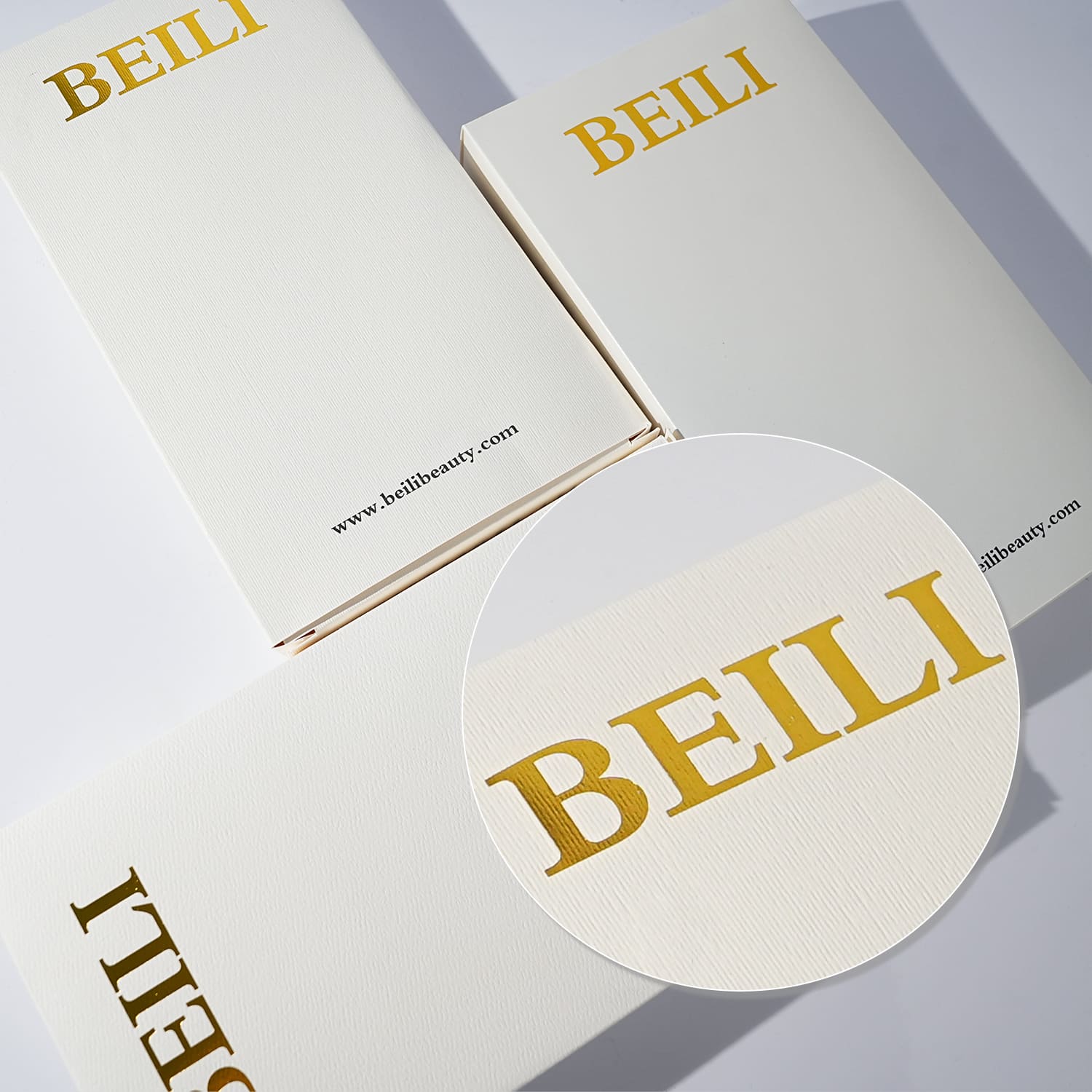
      Custom paper boxes are a practical packaging solution for businesses that want to protect their products, strengthen brand recognition, and create a consistent retail presentation. From simple printed folding cartons to premium product boxes, custom paper packaging can be designed around different product dimensions, branding requirements, and sales channels. For retailers, wholesalers, distributors, and private label brands, choosing the right packaging involves more than selecting a box design. Material, size, structure, printing, finishing, and order quantity all influence the final result. Whether you need custom paper boxes for beauty products, accessories, retail goods, or gift sets, this guide explains how to plan your packaging project and what to consider before placing a bulk order. 1. What Are Custom Paper Boxes? Custom paper boxes are packaging boxes produced according to a buyer's specifications rather than selected from standard, ready-made sizes. Businesses can customize the box dimensions, paper material, structure, printed artwork, logo placement, and selected finishing options to suit their products and brand identity. Custom paper boxes are commonly considered for: Retail product packaging Beauty and cosmetic accessories Makeup brush sets and beauty sponges Gift sets and promotional products Small accessories and consumer goods Branded product collections The best design depends on what the box needs to contain, how the product will be sold, and the level of protection required during storage and transportation. 2. Popular Types of Custom Paper Boxes Different box structures serve different packaging purposes. Before selecting a style, consider the product's size, weight, fragility, presentation requirements, and distribution method. Folding Carton Boxes Folding cartons are widely used for lightweight retail products. They are typically manufactured from paperboard, printed, cut, and creased so the box can be folded into its final shape. Depending on the design, common structures include tuck-end boxes, reverse-tuck boxes, straight-tuck boxes, and other folding carton formats. Folding cartons can be suitable for individual beauty accessories, small consumer products, and retail packaging that needs printed brand information. When choosing a folding carton, consider the required board thickness, closure design, product fit, and whether the box will be shipped flat or assembled. Custom Paperboard Boxes Custom paperboard boxes can be developed in different dimensions and structures to match specific products. Businesses can coordinate the exterior artwork with their branding and include product information, logos, illustrations, and other relevant graphics. The appropriate paperboard specification depends on the box dimensions, product weight, intended use, and desired appearance. A packaging sample can help verify whether the material and structure meet your requirements. Kraft Paper Boxes Kraft paper packaging is often se...
    View More
  • Custom Makeup Sponges for Beauty Brands | BEILI
    Custom Makeup Sponges for Beauty Brands | BEILI Oct 10, 2026
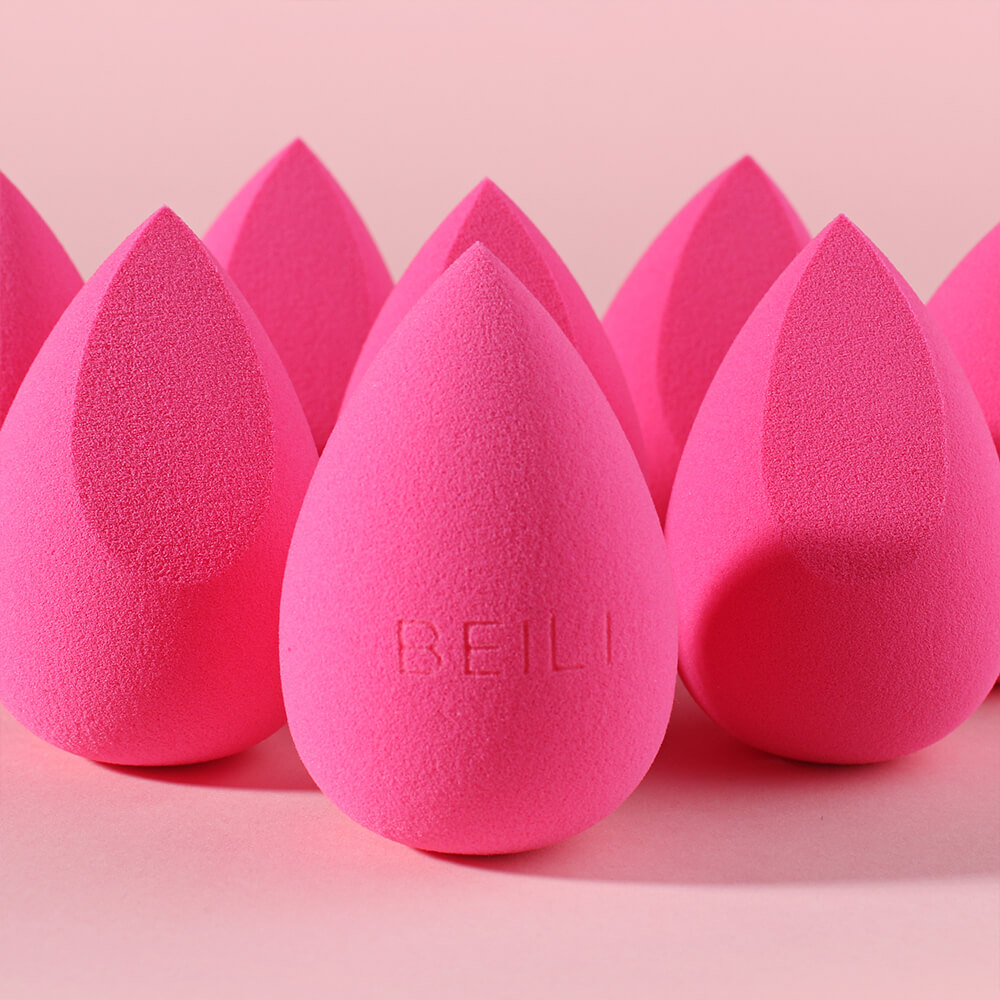
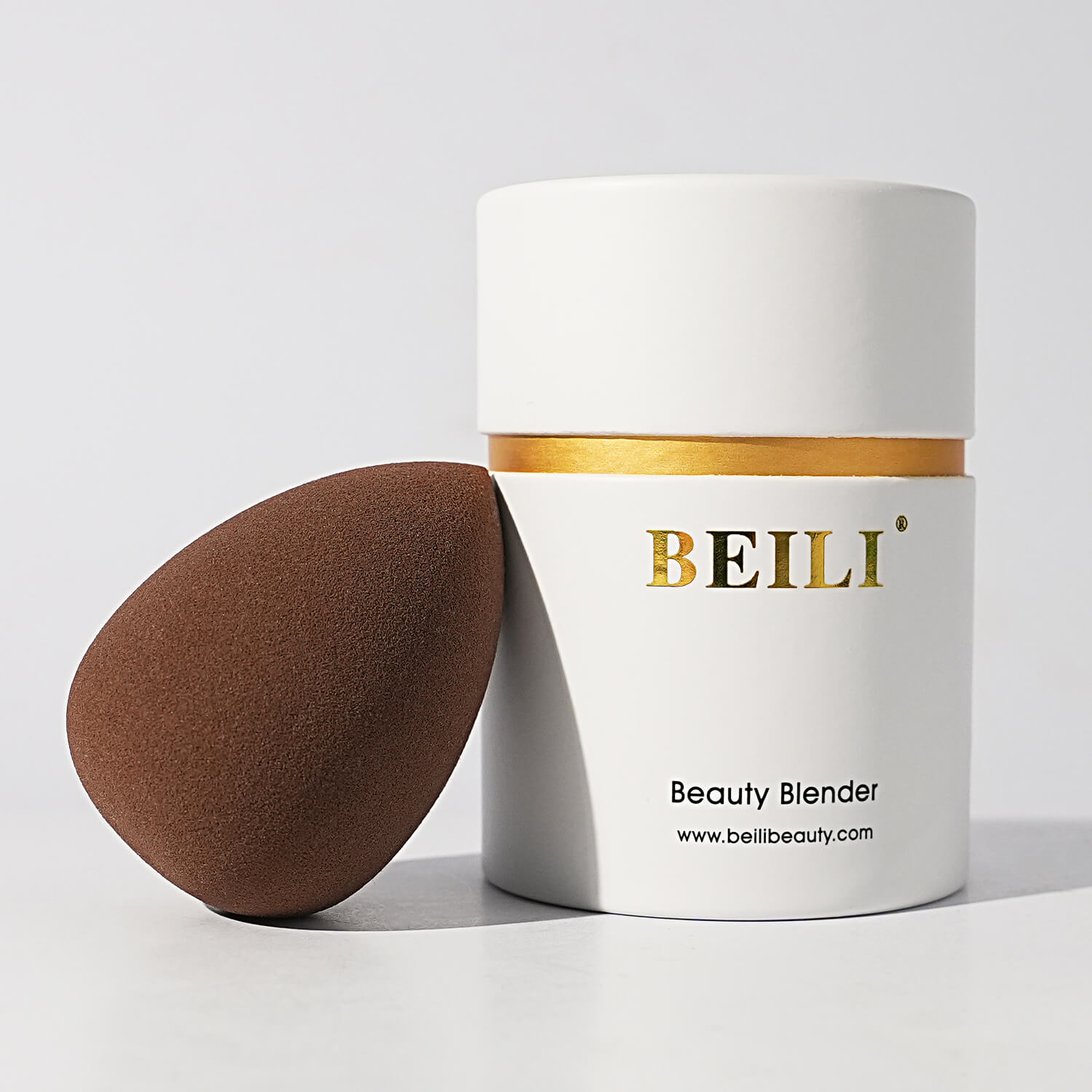
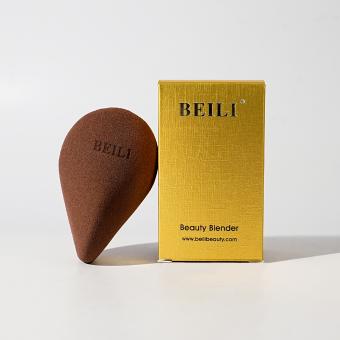
    Custom Makeup Sponges: A Complete Guide for Beauty Brands Custom makeup sponges are an excellent way for beauty brands to develop distinctive products, build brand recognition, and create a consistent makeup collection. From selecting the right sponge shape and color to adding a custom logo and retail-ready packaging, every detail can help your product stand out in a competitive beauty market. For beauty brands, wholesalers, distributors, and private label businesses, working with an experienced makeup sponge manufacturer makes it easier to turn a product concept into a market-ready collection. In this guide, we explain the key customization options for makeup sponges, how to choose the right design, and what to consider when sourcing wholesale makeup sponges for your brand. 1. Why Choose Custom Makeup Sponges for Your Beauty Brand? Standard makeup sponges can serve basic cosmetic application needs, but custom designs allow brands to create products that better match their target customers and positioning. Here are several benefits of developing custom makeup sponges. Build a Distinctive Brand Identity Color, shape, surface texture, and packaging can all contribute to a recognizable product identity. Custom makeup sponges allow you to coordinate your accessories with your existing cosmetics line, including foundations, concealers, powders, and makeup brush sets. Create Products for Different Customer Segments Different customers may prefer different sponge shapes and application experiences. A beauty brand can develop a versatile sponge collection for everyday users, professional makeup artists, travel kits, or premium cosmetic gift sets. Support Private Label and Wholesale Business Private label makeup sponges are suitable for beauty brands looking to sell products under their own names. Wholesalers and distributors can also develop coordinated product ranges for retail stores, beauty supply businesses, and online shops. Coordinate Sponges with Custom Packaging Custom packaging helps create a more complete retail product. Makeup sponges can be packaged individually or combined with makeup brushes, mirrors, and other cosmetic accessories to create a coordinated beauty collection. 2. What Can You Customize in Makeup Sponges? When developing custom makeup sponges, it is important to consider both product functionality and brand appearance. Sponge Shapes Different shapes are designed to support different application techniques. Teardrop makeup sponges: A versatile design with a rounded base and pointed tip for general blending and more precise application. Angled makeup sponges: The flat or angled surface can help apply and blend makeup across different facial areas. Round makeup sponges: A rounded design that works well for broad blending and general cosmetic application. Mini makeup sponges: Compact designs can be developed for more detailed application and travel-friendly beauty kits. Special-shaped makeup sponges: Heart-shaped and other distinct...
    View More
  • Makeup Sponge Shapes Explained: How to Choose the Right Beauty Sponge for Foundation, Concealer & Contour
    Makeup Sponge Shapes Explained: How to Choose the Right Beauty Sponge for Foundation, Concealer & Contour Sep 24, 2026
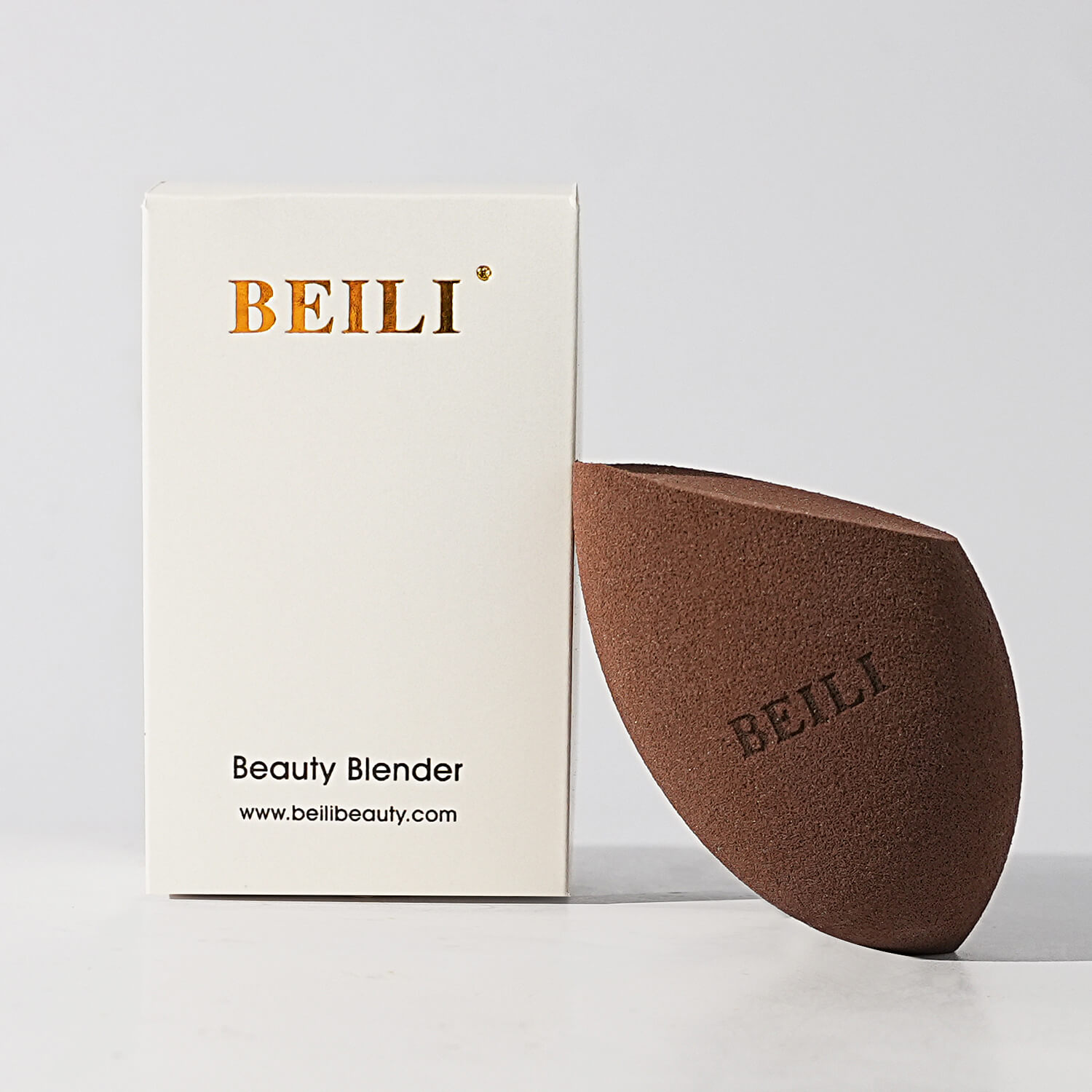
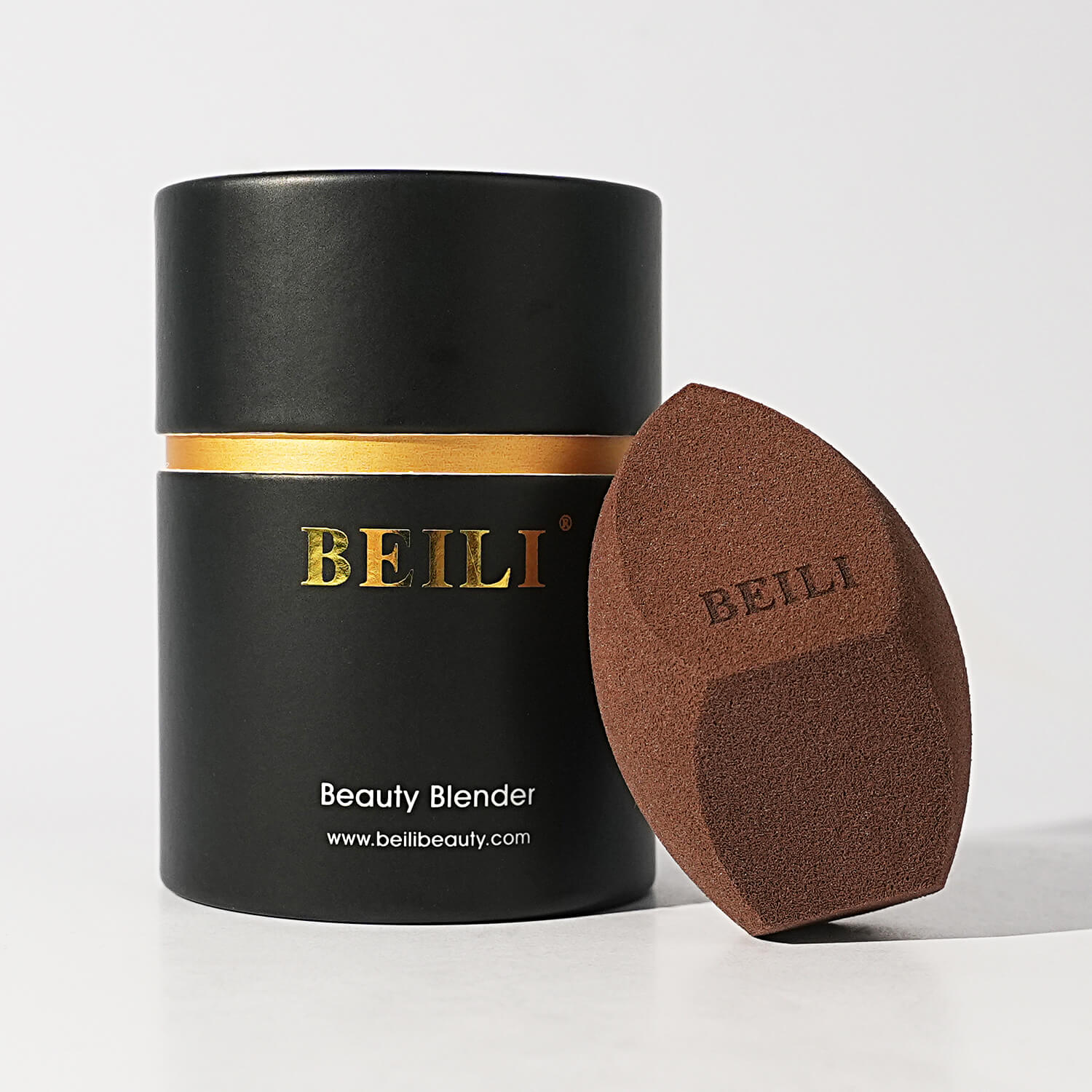
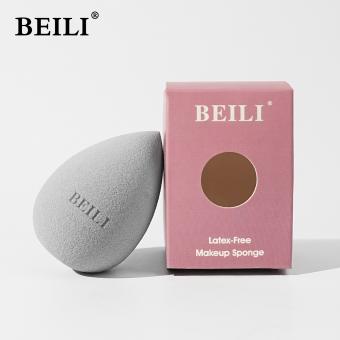
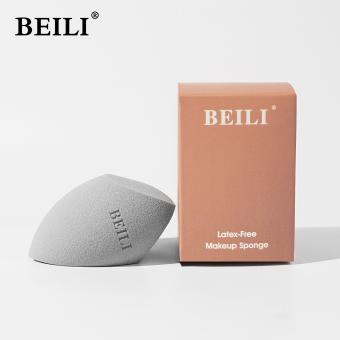
    Choosing a makeup sponge is not only about color or softness. The shape of a makeup sponge can significantly influence how makeup is applied, blended, and finished.A classic teardrop sponge can provide a rounded surface for broad blending and a pointed tip for detailed areas. An angled sponge offers additional surfaces for controlled application, while a sponge supplied with a storage container can provide a more complete solution for retail and travel use.For beauty brands, retailers, makeup artists, distributors, and cosmetic product developers, understanding these differences can help create more useful and differentiated makeup sponge collections.In this guide, we explain the most common makeup sponge shapes and how they can be used for foundation, concealer, contour, blush, and other complexion products.Why Does Makeup Sponge Shape Matter?A makeup sponge can have different surfaces for different parts of the face.The shape affects:Product applicationBlendingPrecisionCoverageEase of handlingSuitable facial areasA rounded surface is generally useful for larger areas, while a pointed or angled section can provide more control around the eyes and nose.This is why choosing the right sponge shape can be just as important as choosing the right sponge material.1. Teardrop Makeup SpongeThe teardrop makeup sponge is one of the most versatile designs for everyday complexion makeup.It typically features:A rounded baseA tapered top or tipA curved bodyThe wider surface is suitable for applying makeup across larger areas, while the narrower tip can be used for detailed areas.Best ForLiquid foundationCream foundationConcealerCream blushCream contourBB creamHow to Use ItRounded BaseUse the wider surface for the cheeks, forehead, chin, and other large areas.Pointed TipUse the narrow section around the eyes, sides of the nose, and other smaller areas.Because it combines broad application and precision in one design, a teardrop sponge is a practical choice for everyday makeup collections.2. Angled Makeup SpongeAn angled makeup sponge has a flat or slanted surface that creates an additional application area.Compared with a traditional rounded sponge, the angled design can provide greater control in specific areas.Best ForFoundationConcealerContourCream blushNose contourFace detailingAdvantages of an Angled DesignThe angled surface can make it easier to:Follow facial contoursApply makeup near the noseBlend around the eyesCreate more controlled product placementThis makes an angled makeup sponge particularly interesting for brands looking for a more distinctive alternative to a standard teardrop sponge.3. Multi-Surface Makeup SpongeSome makeup sponges combine multiple surfaces into one product.For example, a sponge may include:A rounded areaA flat areaAn angled edgeA precision sectionEach surface can serve a different purpose.Rounded SurfaceBest for:Foundation and large-area blendingFlat or Angled SurfaceBest for:Contour, foundation and controlled applicationPreci...
    View More
  • Makeup Brush Density Guide: How Bristle Density Affects Makeup Application
    Makeup Brush Density Guide: How Bristle Density Affects Makeup Application Sep 20, 2026
    When choosing a makeup brush, people often focus on the brush shape, bristle material, or handle design.However, there is another important factor that can significantly affect how a brush performs:Bristle density.Two brushes may have a similar shape but completely different application results because one has tightly packed fibers while the other has a much looser structure.A dense brush can help create more coverage and controlled application, while a fluffy brush is often better for light distribution and soft blending.For beauty brands, makeup artists, retailers, and product developers, understanding brush density can help create more functional and well-balanced makeup brush collections.In this guide, we explain what makeup brush density means, how it affects application, and which types of brushes are suitable for different makeup products.What Is Makeup Brush Density?Makeup brush density refers to how closely the bristles are packed together inside the brush head.Generally, makeup brushes can be grouped into three broad levels:Low DensityThe fibers are relatively loose and separated.These brushes usually provide:Lightweight applicationSoft blendingDiffused colorLess concentrated product pickupMedium DensityThe fibers are packed more closely together while still allowing flexibility.These brushes can provide a balance between:Product pickupBlendingCoverageControlHigh DensityThe fibers are tightly packed together.These brushes are often designed for:Higher coverageBuffingControlled applicationLiquid and cream makeupThe exact performance still depends on fiber type, fiber length, brush shape, and product formula.1. What Is a Dense Makeup Brush?A dense makeup brush contains a relatively large number of fibers packed closely together.Because the fibers support each other, the brush head generally feels more structured and firm than a loose, fluffy brush.Common ApplicationsDense brushes are often used for:FoundationCream contourCream blushConcealerPowder foundationBuffingMain CharacteristicsA dense brush can provide:Higher product pickupMore product can remain within the brush head during application.More controlled distributionThe closely packed fibers can help move makeup across the skin with less diffusion.Buildable coverageDense face brushes are commonly selected when a stronger or more polished finish is desired.2. What Is a Fluffy Makeup Brush?A fluffy makeup brush has a looser arrangement of fibers.The longer and more flexible fibers can move more freely during application.Common ApplicationsFluffy brushes are often used for:Setting powderBronzerBlushHighlighterEyeshadow blendingMain CharacteristicsA fluffy brush can provide:Soft blendingLightweight applicationDiffused colorWider coverageFor example, a large fluffy powder brush can distribute setting powder across the face without concentrating too much product in one area.3. Dense vs Fluffy Makeup BrushesThe differences can be summarized simply:FeatureDense BrushFluffy BrushFiber Arrange...
    View More
  • How to Choose the Right Makeup Brush for Powder, Liquid & Cream Products
    How to Choose the Right Makeup Brush for Powder, Liquid & Cream Products Sep 18, 2026
    Choosing the right makeup brush is not only about the shape of the brush head. The formula you are applying—liquid, cream, or powder—also affects the type of brush that works best.A foundation brush designed for liquid products may have a very different density and fiber configuration from a brush designed for loose powder. Similarly, cream blush and powder blush can benefit from different brush characteristics.For beauty brands, retailers, makeup artists, and makeup brush buyers, understanding these differences can help create more functional and versatile brush collections.In this guide, we explain how to choose makeup brushes according to the type of cosmetic product being applied.1. Makeup Brushes for Liquid ProductsLiquid products usually require controlled distribution and smooth blending.Common liquid makeup products include:Liquid foundationLiquid concealerBB creamTinted moisturizerLiquid highlighterWhat Should You Look For?For liquid products, look for:Dense synthetic fibersA dense brush head can help distribute liquid makeup evenly.Smooth fiber tipsSoft synthetic fibers can provide a smooth feel on the skin.Controlled brush shapeFlat, rounded, or angled shapes can provide different levels of coverage and control.2. Best Makeup Brushes for Liquid FoundationFoundation is one of the most common applications for makeup brushes.Different brush designs can create different results.Flat Foundation BrushA flat foundation brush offers controlled application and can be useful for building coverage.Best for:Liquid foundationCream foundationBB creamFlat-Top Foundation BrushA dense flat-top brush is useful for buffing and blending complexion products.Best for:Medium to full coverageLiquid foundationCream foundationRounded Foundation BrushA rounded brush can help blend foundation over larger areas of the face.Best for:Seamless blendingLiquid and cream formulasNatural-looking coverageThe most appropriate foundation brush depends on the formula, desired coverage, and application technique.3. Makeup Brushes for Cream ProductsCream products generally require a balance between product pickup and controlled blending.Common cream products include:Cream foundationCream blushCream contourCream bronzerCream highlighterCream concealerRecommended Brush CharacteristicsFor cream products, consider:Medium to high densityEnough density is needed to distribute the product without excessive absorption.Synthetic fibersSynthetic fibers are commonly used for cream and liquid makeup because they are easy to clean and can provide consistent brush performance.Rounded or angled shapesThese shapes can help blend cream products into the contours of the face.4. Best Brush for Cream BlushCream blush can be applied with several brush designs.Rounded Blush BrushSuitable for soft, diffused application.Angled Blush BrushUseful when the user wants more controlled placement along the cheekbones.Dense Duo-Fiber BrushA less-dense or layered fiber structure can provide lighter applicatio...
    View More
1 2 3 ... 16

A total of 16 pages

Quick Contact
Anhui BEILI Makeup Technology Co., Ltd.
  • Facebook
  • Linkedin
  • Youtube
  • Pinterest
  • Twitter
  • TIKTOK
  • INS
Leave A Message
If you are interested in our products and want to know more details,please leave a message here,we will reply you as soon as we can.

Home

Products

whatsapp